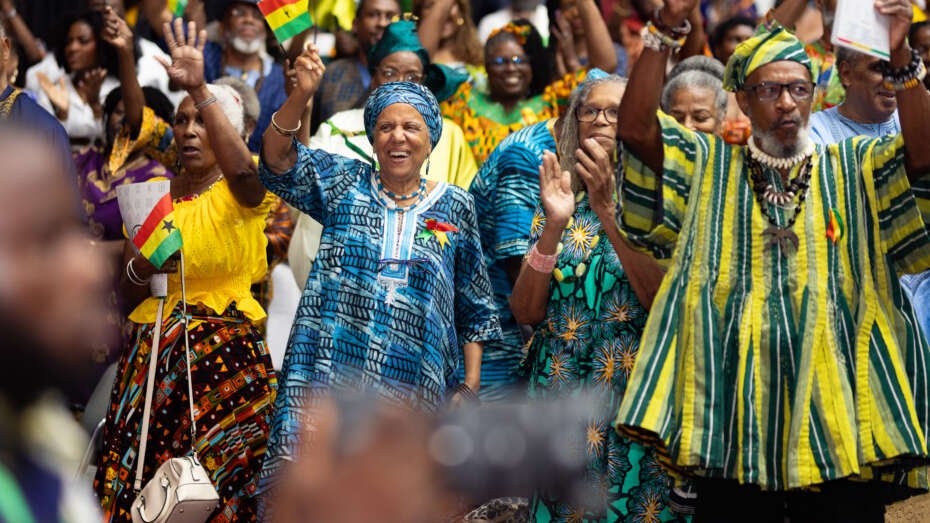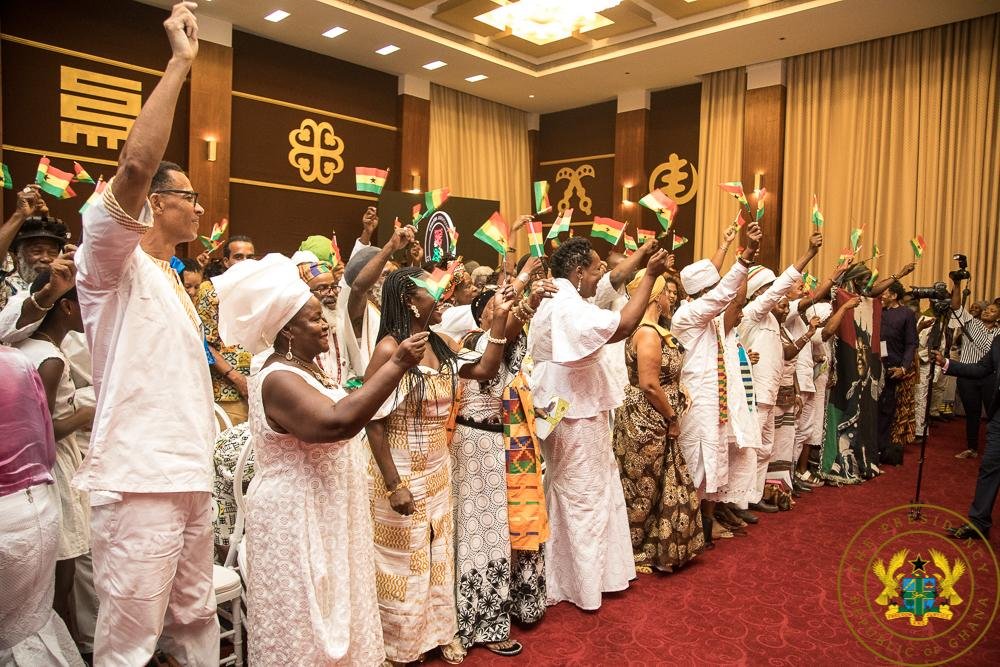

Recent citizenship discussions brought important issues into the open. As policies were reviewed and questions were raised across communities, one clear truth stood out: the Historic Diasporans in Ghana needed organized, direct, and accountable representation.
From that moment of clarity, the Black Agenda was formed.
The Black Agenda is a structured leadership body created by active organizations within the Historic Diasporan Community. It was established to ensure that leaders who are deeply connected to their communities have a direct voice in national conversations that affect housing, land, employment, integration, and citizenship.
This is a defining moment of leadership expansion.
Shannan Nana Akosua Magee, a key figure in the Afrodescent Diasporan community in Ghana, stated, “The drumbeat of our ancestors has awakened a new generation of leaders, and we’re honored to see the birth of a united Afrodescendence, where our voices, our cultures, and our contributions are celebrated and lifted.”
She is excited about the possibility of the African American Association of Ghana joining the Black Agenda
Why The Black Agenda Was Formed
Over the past 25 years, the number of Historic Diasporans living in Ghana has steadily grown. Families have relocated. Businesses have launched. Investments have increased. Cultural connections have deepened.
With growth comes impact.
Housing markets shift.
Land agreements increase.
Communities change.
Opportunities expand.
During the recent citizenship policy discussions, it became clear that representation could no longer move through limited pathways. Leaders with direct relationships to their members needed to speak for themselves.
The Black Agenda was created to meet that need.
It brings together organized leadership with its finger on the pulse of the community. It creates a clear structure. It ensures accountability. It strengthens coordination.
A Torch Passing and an Expansion of Leadership
For many years, individuals such as Erieka Bennett and Rabbi Kohain were visible voices during an earlier phase of engagement between Ghana and the Historic Diasporans. That period helped establish early connections and awareness.
As the community expanded in size and influence, leadership expanded as well.
The Black Agenda represents a torch passing moment — not a removal, but a widening of leadership participation. More voices. More structure. More coordination.
Communities that grow require leadership that reflects their scale.
This expansion signals maturity and readiness for long-term nation-building.
Direct Representation Matters
The recent citizenship discussions showed how closely connected Historic Diasporan presence is to everyday life in Ghana.
Some Ghanaian-born citizens have expressed concern about rising housing prices in certain areas. Others have raised questions about land transactions and local employment opportunities. At the same time, Historic Diasporans continue to invest, build businesses, and contribute skills to the national economy.
These realities exist together.
Organized representation helps bring balance.
When leaders who speak daily with their members participate directly in policy discussions:
- Feedback becomes accurate.
- Planning becomes informed.
- Concerns are addressed early.
- Stability increases.
The Black Agenda ensures that the Historic Diasporans are represented by leaders who are accountable to real communities.
Integration as Strength
Integration affects everyone.
When Historic Diasporans are well integrated:
- Businesses hire locally.
- Cultural understanding improves.
- Housing engagement becomes responsible.
- Economic activity becomes sustainable.
The Black Agenda supports:
- Language education
- Cultural orientation
- Responsible land practices
- Fair housing awareness
- Employment alignment
These efforts help ensure that the presence of Historic Diasporans strengthens local communities rather than placing pressure on them.
Ghanaian-born Ghanaians benefit.
Dual Citizens benefit.
Historic Diasporans benefit.
Structured integration supports national stability.
A Clear and Organized Framework
The Black Agenda creates:
- Coordinated leadership
- Clear communication channels
- Organized community feedback
- Accountable representation
- Policy engagement readiness
This structure reduces confusion. It replaces assumption with organization. It ensures that the voices of the Historic Diasporans are heard clearly and directly.
Leadership is strongest when it is organized.
Leadership Shaping The Black Agenda
The Black Agenda includes leadership from:
- Ghana Caribbean Association
- Decade of Our Repatriation (D.O.O.R)
- Rastafari Council of Ghana
- Jamaica Affairs
- Repatriate to Ghana
- Abibitumi
- Real Repatriation Consultants
- Marcus Mosiah Garvey Foundation (MMGF)
These organizations represent active and engaged segments of the Historic Diasporans across Ghana.
A Confident Step Forward
The formation of The Black Agenda marks a new phase in the relationship between Ghana and the Historic Diasporans.
It reflects growth.
It reflects structure.
It reflects readiness.
The torch has passed into a broader circle of leadership. That broader circle strengthens representation and prepares the community for long-term participation in national development.
As Ghana continues to evolve as a global home for the African world, The Black Agenda stands ready to engage constructively, responsibly, and directly.
This is a moment of organization.
This is a moment of clarity.
This is a moment of leadership.
By: Yaa Kia Talon, Freelance journalist